|Refugio Amazonas & Tambopata Research Center
Why You Will Love Amazon Experiences
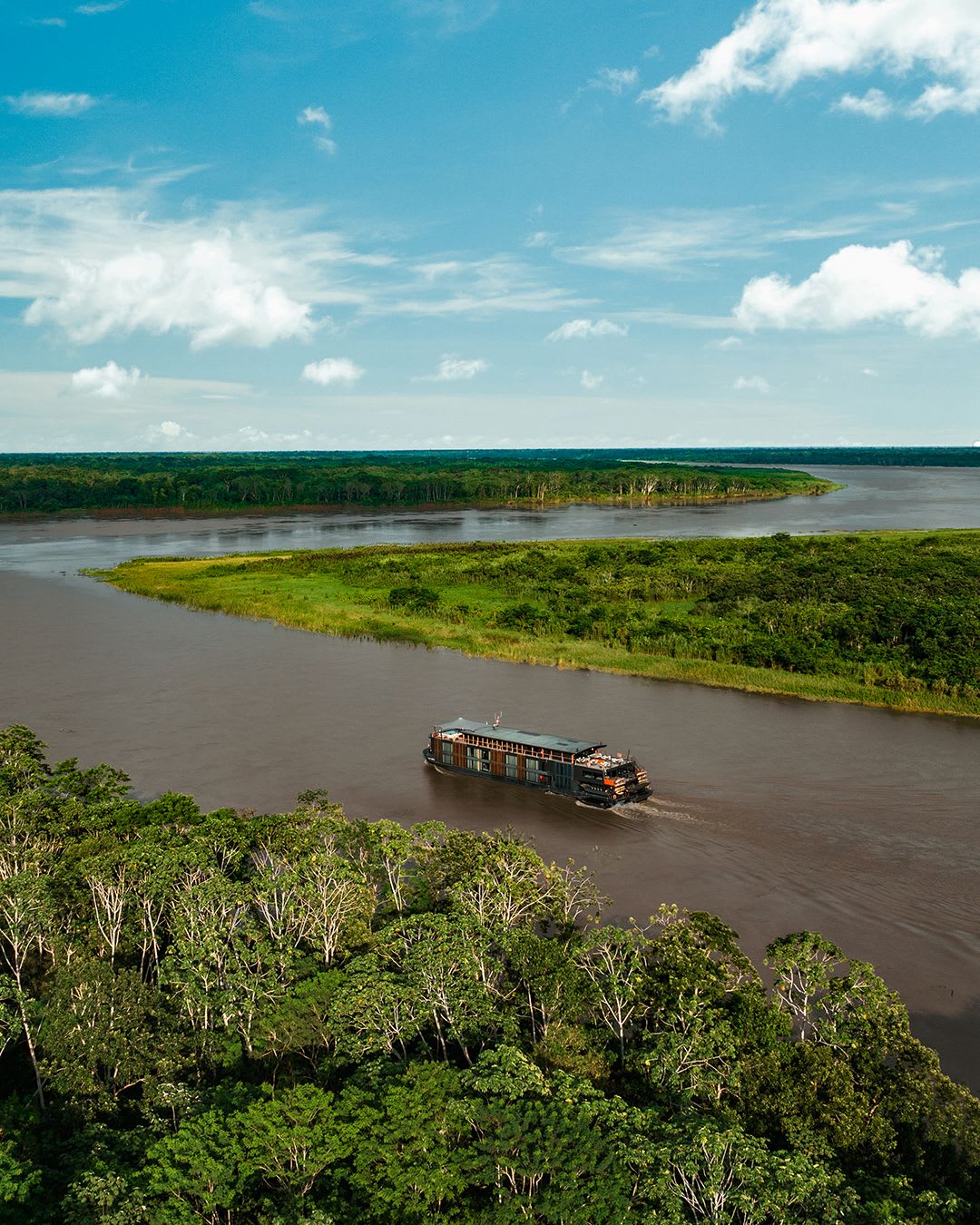
Amazon ecolodges are designed to be wildlife refuges. Their excellent location in the Tambopata River, having the Tambopata National Reserve in its backyard, will allow you to have an authentic experience with nature in its purest state through our exclusive set of activities to choose from.

What is the Tambopata National Reserve?
The Tambopata National Reserve is one of the true remaining jewels of the Amazon Rainforest. It's a must-visit destination for Peru travelers and nature lovers from around the globe. Here, we give you some background on the Reserve's history, ecology, and diversity.
The Tambopata National Reserve is 274,690 hectares (1,061 square miles) of preserved land in Southeastern Peru. The Reserve has many diverse habitats, including lowland Amazon rainforest, riverine forest, and oxbow lakes. It's crossed by three rivers: the Malinowski, the Tambopata, and the Madre de Dios rivers.
Because of the Reserve's protected status and secluded location, it's incredibly biodiverse. The reserve plays host to over 1,000 species of butterflies, 100 species of mammals, around 600 species of birds, and hundreds of species of trees and plants. In fact, this reserve and surrounding region are one of the most biodiverse places on the planet!
In the Tambopata National Reserve, there have been registered:
200 species
of butterflies
632 species
of birds
180 species
of fish
169 species
of mammals
103 species
of amphibians
103 species
of reptiles
17
plant associations by forest type
1,255 species
of plants
How Was the Tambopata National Reserve Created?
Starting in 1990, several biologists and conservationists began lobbying to protect the Tambopata area from development. They were passionate about preserving this area because it was (and is) one of the last remaining and largest areas of pristine rainforest. Specifically, Tambopata is one of the very few areas containing lowland and foothill rainforests and connects to cloud forests at higher elevations and wet savannahs! Even more, very few people were living in Tambopata's most remote areas. Conservationists realized that the region could act as a major corridor between Manu National Park and Bolivia's jungles. The area also harbored healthy populations of Tapirs, Jaguars, and other felines, Giant Otters, Harpy Eagles, many types of Macaws, and other animals that had disappeared from other parts of Amazonia.
The Amazon:
Tambopata National Reserve
Puerto Maldonado is the gateway to one of the most remote and biodiverse regions on Earth. From here, your journey takes you deep into the heart of the Tambopata National Reserve, a vast sanctuary of rainforest, rivers, and oxbow lakes in Madre de Dios. Tambopata protects extraordinary wildlife, including macaws, monkeys, giant river otters, caimans, and even jaguars. As you explore this pristine environment, you will experience the true sounds, scents, and vibrant colors of the Amazon rainforest. You may lose count of the countless birds and rainbow-colored insects you encounter, but witnessing the spectacular sight of flamboyant macaws will be a moment you will never forget. Accessible yet wonderfully wild, Tambopata offers an authentic Amazon experience surrounded by untouched nature and remarkable biodiversity.
Day 1|Welcome to The Amazon
Transfer from the Sacred Valley to Cusco Airport. Flight from Alejandro Velasco Astete International Airport to Jorge Chavez International Airport (LIM). Connecting flight from Lima to Padre Aldamiz International Airport (PEM). Arrive in Puerto Maldonado, the capital of Madre de Dios, and start your journey with a 1-hour bus ride followed by a 2.5-hour boat trip to the lodge. As you travel along the river, enjoy your first taste of Amazonian cuisine while soaking in the stunning rainforest landscapes. Cross the confluence with the Malinowski River, leaving behind the last traces of human habitation as you enter the 700,000-hectare uninhabited core of the Tambopata National Reserve. Along the way, keep an eye out for capybaras, caimans, geese, macaws, and other large species that become increasingly frequent as you venture deeper into the reserve. Arrive at Tambopata Research Center, a boutique eco-lodge set in the heart of the Tambopata National Reserve. The lodge offers a comfortable retreat with a bar, massage center, and buffet service, surrounded by projects from the Wired Amazon Program, including the Tambopata Macaw Project, 8 Primates Project, and other conservation initiatives. Before dinner, attend a night lecture where scientists provide insights into the ongoing projects of the Wired Amazon Program and discuss the conservation challenges they face.
Gallery